Buy hopon-hopoff.eu ?
We are moving the project
hopon-hopoff.eu .
Are you interested in purchasing the domain
hopon-hopoff.eu ?
domain@kv-gmbh.de · 0541-91531010
Buy hopon-hopoff.eu ?
What is the difference between passive and active transport?
Passive transport is the movement of molecules across a cell membrane without the use of energy, while active transport requires energy to move molecules against their concentration gradient. Passive transport includes processes like diffusion and osmosis, which rely on the natural movement of molecules. Active transport, on the other hand, involves the use of proteins and energy to pump molecules across the membrane. **
What are carrier proteins needed for in passive transport?
Carrier proteins are needed in passive transport to facilitate the movement of specific molecules across the cell membrane. These proteins bind to the molecules being transported and undergo a conformational change to transport them across the membrane. Carrier proteins are essential for passive transport as they help maintain the concentration gradient and ensure the efficient movement of molecules without requiring energy input from the cell. **


Similar search terms for Passive
Top-Angebote
Products related to Passive:
-
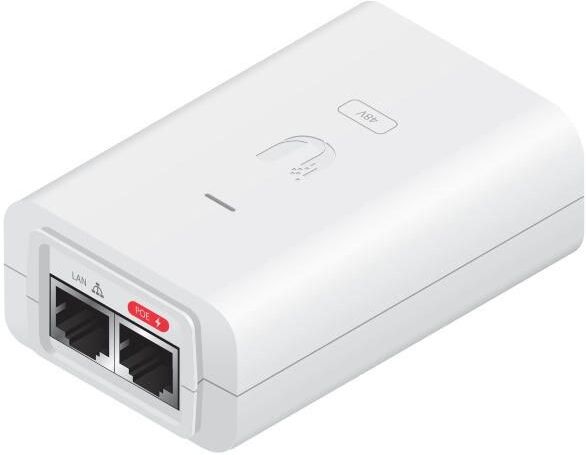
Hama 00125121 holder Passive holder Tablet/UMPC Black, SilverIndividually rotatableCan be rotated individually for optimum positioning of the deviceCable managerCable manager provides organisation and necessary strain reliefWall mountingFor mounting on a wall by means of dowels and screws33,49 £*Shipping: 0,00 £Secure redirect to the provider



-
What is the difference between antiport, symport, and passive transport?
Antiport, symport, and passive transport are all mechanisms by which molecules can move across a cell membrane. Antiport involves the simultaneous transport of two different molecules in opposite directions, while symport involves the transport of two different molecules in the same direction. Both antiport and symport require the use of energy in the form of ATP. In contrast, passive transport does not require energy and involves the movement of molecules down their concentration gradient, from an area of high concentration to an area of low concentration. **
-
What is the difference between passive and active transport processes?
Passive transport processes do not require energy input and rely on the movement of molecules from an area of high concentration to an area of low concentration, such as diffusion and osmosis. Active transport processes, on the other hand, require energy in the form of ATP to move molecules against their concentration gradient, such as the sodium-potassium pump in cells. In passive transport, the movement of molecules is driven by the concentration gradient, while in active transport, the movement is against the concentration gradient. **
-
What is the difference between causative passive and passive?
The main difference between causative passive and passive is the level of control over the action. In passive voice, the subject of the sentence is the receiver of the action, while in causative passive, the subject causes someone else to do the action. For example, in passive voice, "The book was read by the student," the student is the receiver of the action. In causative passive, "The teacher had the student read the book," the student is being caused to perform the action by the teacher. **
-
What is the difference between passive and active transport in osmosis?
Passive transport in osmosis does not require energy input from the cell and relies on the movement of molecules from an area of high concentration to an area of low concentration. Active transport in osmosis, on the other hand, requires energy in the form of ATP to move molecules against their concentration gradient, from an area of low concentration to an area of high concentration. Passive transport is a spontaneous process, while active transport is a regulated process that allows cells to maintain specific concentrations of molecules inside and outside the cell. **

What is the difference between the passive and the personal passive?
The passive voice is used to focus on the action and the recipient of the action, while the personal passive is used to focus on the person or thing that is affected by the action. In the passive voice, the subject of the sentence is not the doer of the action, while in the personal passive, the subject of the sentence is the person or thing affected by the action. For example, in the passive voice, "The book was read by the student," the focus is on the action of reading and the recipient of the action (the book). In the personal passive, "The book was read to the student," the focus is on the person affected by the action (the student). **
How can one build or make sightseeing attractions?
One can build or make sightseeing attractions by first identifying a unique and interesting feature of the area, such as natural landmarks, historical sites, or cultural experiences. Then, develop a plan to enhance and showcase this feature, which may include building infrastructure like viewing platforms, walking trails, or visitor centers. Additionally, creating informative signage, interactive exhibits, and guided tours can help to educate and engage visitors. Finally, promoting the attraction through marketing and partnerships with local businesses and tourism organizations can help to draw in visitors and make the sightseeing attraction successful. **
Top-Angebote
Products related to Passive:
-
CoreParts Universal Passive Stylus Pen - BlackCoreParts universal passive stylus pen in black. A passive stylus needs no battery or pairing and works with any capacitive touchscreen, so it can be used across tablets and smartphones from different brands. Useful for handwriting, sketching and precise tapping without fingerprints on the screen.17,49 £*Shipping: 0,00 £Secure redirect to the provider
-
Hama 00125121 holder Passive holder Tablet/UMPC Black, SilverIndividually rotatableCan be rotated individually for optimum positioning of the deviceCable managerCable manager provides organisation and necessary strain reliefWall mountingFor mounting on a wall by means of dowels and screws33,49 £*Shipping: 0,00 £Secure redirect to the provider
-
What is the difference between passive and active transport?
Passive transport is the movement of molecules across a cell membrane without the use of energy, while active transport requires energy to move molecules against their concentration gradient. Passive transport includes processes like diffusion and osmosis, which rely on the natural movement of molecules. Active transport, on the other hand, involves the use of proteins and energy to pump molecules across the membrane. **
-
What are carrier proteins needed for in passive transport?
Carrier proteins are needed in passive transport to facilitate the movement of specific molecules across the cell membrane. These proteins bind to the molecules being transported and undergo a conformational change to transport them across the membrane. Carrier proteins are essential for passive transport as they help maintain the concentration gradient and ensure the efficient movement of molecules without requiring energy input from the cell. **
-
What is the difference between antiport, symport, and passive transport?
Antiport, symport, and passive transport are all mechanisms by which molecules can move across a cell membrane. Antiport involves the simultaneous transport of two different molecules in opposite directions, while symport involves the transport of two different molecules in the same direction. Both antiport and symport require the use of energy in the form of ATP. In contrast, passive transport does not require energy and involves the movement of molecules down their concentration gradient, from an area of high concentration to an area of low concentration. **
-
What is the difference between passive and active transport processes?
Passive transport processes do not require energy input and rely on the movement of molecules from an area of high concentration to an area of low concentration, such as diffusion and osmosis. Active transport processes, on the other hand, require energy in the form of ATP to move molecules against their concentration gradient, such as the sodium-potassium pump in cells. In passive transport, the movement of molecules is driven by the concentration gradient, while in active transport, the movement is against the concentration gradient. **
Similar search terms for Passive
-
What is the difference between causative passive and passive?
The main difference between causative passive and passive is the level of control over the action. In passive voice, the subject of the sentence is the receiver of the action, while in causative passive, the subject causes someone else to do the action. For example, in passive voice, "The book was read by the student," the student is the receiver of the action. In causative passive, "The teacher had the student read the book," the student is being caused to perform the action by the teacher. **
-
What is the difference between passive and active transport in osmosis?
Passive transport in osmosis does not require energy input from the cell and relies on the movement of molecules from an area of high concentration to an area of low concentration. Active transport in osmosis, on the other hand, requires energy in the form of ATP to move molecules against their concentration gradient, from an area of low concentration to an area of high concentration. Passive transport is a spontaneous process, while active transport is a regulated process that allows cells to maintain specific concentrations of molecules inside and outside the cell. **
-
What is the difference between the passive and the personal passive?
The passive voice is used to focus on the action and the recipient of the action, while the personal passive is used to focus on the person or thing that is affected by the action. In the passive voice, the subject of the sentence is not the doer of the action, while in the personal passive, the subject of the sentence is the person or thing affected by the action. For example, in the passive voice, "The book was read by the student," the focus is on the action of reading and the recipient of the action (the book). In the personal passive, "The book was read to the student," the focus is on the person affected by the action (the student). **
-
How can one build or make sightseeing attractions?
One can build or make sightseeing attractions by first identifying a unique and interesting feature of the area, such as natural landmarks, historical sites, or cultural experiences. Then, develop a plan to enhance and showcase this feature, which may include building infrastructure like viewing platforms, walking trails, or visitor centers. Additionally, creating informative signage, interactive exhibits, and guided tours can help to educate and engage visitors. Finally, promoting the attraction through marketing and partnerships with local businesses and tourism organizations can help to draw in visitors and make the sightseeing attraction successful. **
* All prices are inclusive of VAT and, if applicable, plus shipping costs. The offer information is based on the details provided by the respective shop and is updated through automated processes. Real-time updates do not occur, so deviations can occur in individual cases. ** Note: Parts of this content were created by AI.