Buy hopon-hopoff.eu ?
We are moving the project
hopon-hopoff.eu .
Are you interested in purchasing the domain
hopon-hopoff.eu ?
domain@kv-gmbh.de · 0541-91531010
Buy hopon-hopoff.eu ?
Are endo- and exocytosis active transport processes?
Endo- and exocytosis are not considered active transport processes. Instead, they are forms of bulk transport that involve the movement of large molecules or particles into or out of the cell through vesicles. Active transport, on the other hand, requires the use of energy to move molecules against their concentration gradient. Endo- and exocytosis are examples of passive transport processes. **
Are endocytosis and exocytosis active transport processes?
Endocytosis and exocytosis are not considered active transport processes. Instead, they are forms of bulk transport that involve the movement of large molecules or particles across the cell membrane through vesicles. Active transport processes, on the other hand, require the use of energy to transport molecules against their concentration gradient. Endocytosis and exocytosis are examples of passive transport processes. **

Similar search terms for Processes
Top-Angebote
Products related to Processes:
-
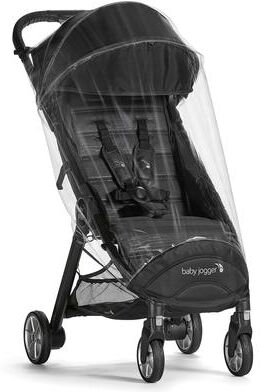
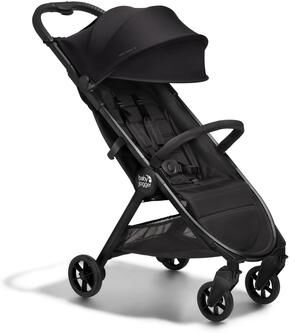
Baby Jogger City Tour 2 Double Stroller, Pitch BlackThe City Tour™ 2 Double folds small for double the adventures. The lightweight design fits through a standard doorway and features an ultra-compact fold, making getting around town with two easier than ever.499,99 $*Shipping: 0,00 $Secure redirect to the provider


-
How do transport processes occur at biomembranes?
Transport processes at biomembranes occur through various mechanisms such as passive diffusion, facilitated diffusion, and active transport. Passive diffusion involves the movement of molecules across the membrane down their concentration gradient, while facilitated diffusion involves the use of transport proteins to help molecules move across the membrane. Active transport requires the use of energy, usually in the form of ATP, to move molecules against their concentration gradient. These processes are essential for the uptake of nutrients, removal of waste products, and maintenance of cellular homeostasis. **
-
How do transport processes occur through biomembranes?
Transport processes occur through biomembranes via various mechanisms such as passive diffusion, facilitated diffusion, and active transport. Passive diffusion involves the movement of small, non-polar molecules across the membrane down their concentration gradient. Facilitated diffusion involves the movement of larger or polar molecules with the help of transport proteins. Active transport, on the other hand, requires energy in the form of ATP to move molecules against their concentration gradient. These transport processes are essential for maintaining the internal environment of the cell and for the uptake of nutrients and removal of waste products. **
-
How do transport processes occur through cell membranes?
Transport processes occur through cell membranes via several mechanisms. Passive transport, such as diffusion and osmosis, allows molecules to move across the membrane without the input of energy. Active transport, on the other hand, requires energy and involves the movement of molecules against their concentration gradient. This can be achieved through the use of protein pumps or vesicle transport. Additionally, facilitated diffusion involves the use of transport proteins to help specific molecules move across the membrane. Overall, these processes ensure that the cell maintains its internal environment and can properly interact with its surroundings. **
-
What are maturation processes and learning processes?
Maturation processes refer to the natural biological development and growth that occurs in an individual over time. These processes are largely influenced by genetics and occur without direct instruction or external influence. On the other hand, learning processes involve the acquisition of new knowledge, skills, or behaviors through experiences, instruction, and practice. Learning processes are influenced by environmental factors, social interactions, and cognitive development. Both maturation processes and learning processes play important roles in an individual's overall development and ability to adapt to their environment. **
What is the difference between transport processes in biomembranes?
The main difference between transport processes in biomembranes is the direction of movement and the mechanisms involved. In passive transport, molecules move across the membrane without the input of energy, driven by concentration gradients. This includes simple diffusion and facilitated diffusion. In contrast, active transport requires energy input, usually in the form of ATP, to move molecules against their concentration gradient. This includes primary active transport, where ATP directly powers the transport, and secondary active transport, where the energy comes from the movement of another molecule down its gradient. **
What are the transport processes in biology, especially osmosis?
Transport processes in biology refer to the movement of molecules across cell membranes. Osmosis is a specific type of transport process where water molecules move across a selectively permeable membrane from an area of higher water concentration to an area of lower water concentration. This movement occurs to equalize the concentration of solutes on both sides of the membrane. Osmosis is crucial for maintaining the balance of water and solutes within cells and is essential for various biological processes. **
Top-Angebote
Products related to Processes:
-
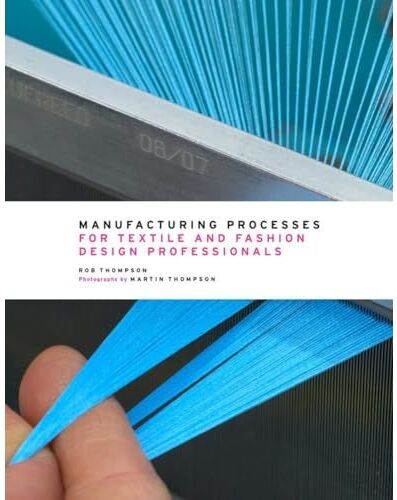
Thames and Hudson Ltd Manufacturing Processes for Textile and Fashion Design ProfessionalsThis fundamental resource for all textile and fashion designers explores over 70 production techniques and over 60 materials used in textile and fashion design. Organized into four main parts – Fibre and Yarn Technology, Textile Technology, Construction Technology, and Materials – it is a complete overview of the life cycle of textile and fashion manufacturing, from the spinning of yarn to recycling. In parts 1–3, over 70 major processes are explained in detail, each featuring a technical description, an analysis of the applications, design opportunities and considerations, quality, cost, speed and environmental impact. All of the processes feature detailed step-by-step case studies showing the process either at source or ‘in manufacture’ at a leading international supplier. Part 4 features essential knowledge on over 60 natural and synthetic materials.36,99 £*Shipping: 0,00 £Secure redirect to the provider
-
Banbo Manchester City Model Bus Football Team Coach ToySculpted in Manchester City's iconic sky blue with authentic team crest and club branding, this Banbo miniature bus captures one of football's most recognisable vehicles in detailed diecast form. Standing 28cm long, it's perfectly sized for display on desks, shelves, or as part of a growing collection of official club memorabilia. The model suits collectors and Manchester City fans of all ages who want to showcase their pride at home or in the office. • Official Manchester City Branding: Features the club crest and "CITY" lettering faithfully reproduced on an officially licensed replica. • Authentic Detailing: Highly detailed diecast construction with realistic proportions and finish that captures the team bus with precision. • Interactive Features: Doors open and close, and wheels roll freely for enhanced playability and authentic recreation. • Display-Ready Size: At 28cm long, the model is compact enough to fit on shelves and desks yet substantial enough to stand out in any collection. • Durable Construction: Crafted from high-quality diecast materials designed to withstand regular handling and display. • Collector's Must-Have: A premium collectible piece that appeals to Manchester City supporters and football memorabilia enthusiasts alike.20,49 £*Shipping: 0,00 £Secure redirect to the provider
-
Baby Jogger City Tour 2 Double Stroller, Pitch BlackThe City Tour™ 2 Double folds small for double the adventures. The lightweight design fits through a standard doorway and features an ultra-compact fold, making getting around town with two easier than ever.499,99 $*Shipping: 0,00 $Secure redirect to the provider
-
Are endo- and exocytosis active transport processes?
Endo- and exocytosis are not considered active transport processes. Instead, they are forms of bulk transport that involve the movement of large molecules or particles into or out of the cell through vesicles. Active transport, on the other hand, requires the use of energy to move molecules against their concentration gradient. Endo- and exocytosis are examples of passive transport processes. **
-
Are endocytosis and exocytosis active transport processes?
Endocytosis and exocytosis are not considered active transport processes. Instead, they are forms of bulk transport that involve the movement of large molecules or particles across the cell membrane through vesicles. Active transport processes, on the other hand, require the use of energy to transport molecules against their concentration gradient. Endocytosis and exocytosis are examples of passive transport processes. **
-
How do transport processes occur at biomembranes?
Transport processes at biomembranes occur through various mechanisms such as passive diffusion, facilitated diffusion, and active transport. Passive diffusion involves the movement of molecules across the membrane down their concentration gradient, while facilitated diffusion involves the use of transport proteins to help molecules move across the membrane. Active transport requires the use of energy, usually in the form of ATP, to move molecules against their concentration gradient. These processes are essential for the uptake of nutrients, removal of waste products, and maintenance of cellular homeostasis. **
-
How do transport processes occur through biomembranes?
Transport processes occur through biomembranes via various mechanisms such as passive diffusion, facilitated diffusion, and active transport. Passive diffusion involves the movement of small, non-polar molecules across the membrane down their concentration gradient. Facilitated diffusion involves the movement of larger or polar molecules with the help of transport proteins. Active transport, on the other hand, requires energy in the form of ATP to move molecules against their concentration gradient. These transport processes are essential for maintaining the internal environment of the cell and for the uptake of nutrients and removal of waste products. **
Similar search terms for Processes
-
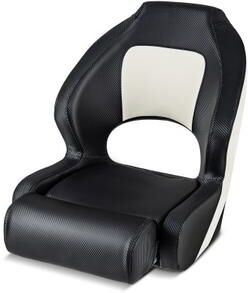
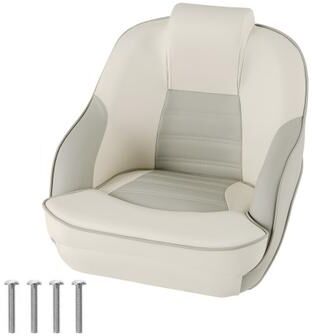
Costway Captain Bucket Seat with Waterproof PVC Leather for Boat Sightseeing-White"Take Your Marine Adventures to the Next Level! Our captain bucket seat measures 23"" x 24"" x 21""(L x W x H) and it can be installed on the boat platform for seating, on the boat swivel, or on a pedestal for captains."232,99 $*Shipping: 0,00 $Secure redirect to the provider
-
How do transport processes occur through cell membranes?
Transport processes occur through cell membranes via several mechanisms. Passive transport, such as diffusion and osmosis, allows molecules to move across the membrane without the input of energy. Active transport, on the other hand, requires energy and involves the movement of molecules against their concentration gradient. This can be achieved through the use of protein pumps or vesicle transport. Additionally, facilitated diffusion involves the use of transport proteins to help specific molecules move across the membrane. Overall, these processes ensure that the cell maintains its internal environment and can properly interact with its surroundings. **
-
What are maturation processes and learning processes?
Maturation processes refer to the natural biological development and growth that occurs in an individual over time. These processes are largely influenced by genetics and occur without direct instruction or external influence. On the other hand, learning processes involve the acquisition of new knowledge, skills, or behaviors through experiences, instruction, and practice. Learning processes are influenced by environmental factors, social interactions, and cognitive development. Both maturation processes and learning processes play important roles in an individual's overall development and ability to adapt to their environment. **
-
What is the difference between transport processes in biomembranes?
The main difference between transport processes in biomembranes is the direction of movement and the mechanisms involved. In passive transport, molecules move across the membrane without the input of energy, driven by concentration gradients. This includes simple diffusion and facilitated diffusion. In contrast, active transport requires energy input, usually in the form of ATP, to move molecules against their concentration gradient. This includes primary active transport, where ATP directly powers the transport, and secondary active transport, where the energy comes from the movement of another molecule down its gradient. **
-
What are the transport processes in biology, especially osmosis?
Transport processes in biology refer to the movement of molecules across cell membranes. Osmosis is a specific type of transport process where water molecules move across a selectively permeable membrane from an area of higher water concentration to an area of lower water concentration. This movement occurs to equalize the concentration of solutes on both sides of the membrane. Osmosis is crucial for maintaining the balance of water and solutes within cells and is essential for various biological processes. **
* All prices are inclusive of VAT and, if applicable, plus shipping costs. The offer information is based on the details provided by the respective shop and is updated through automated processes. Real-time updates do not occur, so deviations can occur in individual cases. ** Note: Parts of this content were created by AI.