Buy hopon-hopoff.eu ?
We are moving the project
hopon-hopoff.eu .
Are you interested in purchasing the domain
hopon-hopoff.eu ?
domain@kv-gmbh.de · 0541-91531010
Buy hopon-hopoff.eu ?
Do you need a bamboo mat to make sushi?
While a bamboo mat, also known as a sushi rolling mat or makisu, is traditionally used to help roll sushi neatly and tightly, it is not absolutely necessary to make sushi. You can still make sushi without a bamboo mat by using plastic wrap or a kitchen towel as a substitute. However, using a bamboo mat can make the rolling process easier and help achieve a more uniform shape for your sushi rolls. **
Where can I find the bamboo mats to make sushi?
You can find bamboo mats for making sushi at most Asian grocery stores, kitchen supply stores, or online retailers such as Amazon or specialty kitchenware websites. These mats are commonly used in sushi making to help roll and shape the sushi rice and fillings. They are usually inexpensive and can be reused multiple times with proper care. **
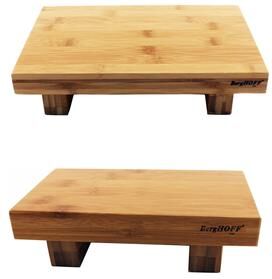
Similar search terms for BergHOFF-Bamboo-2pc-Sushi
Top-Angebote
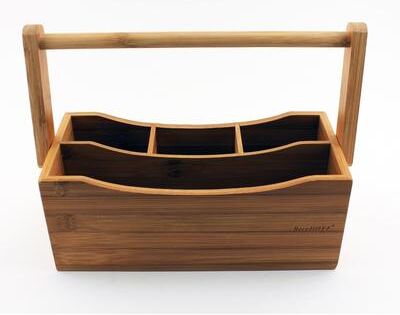
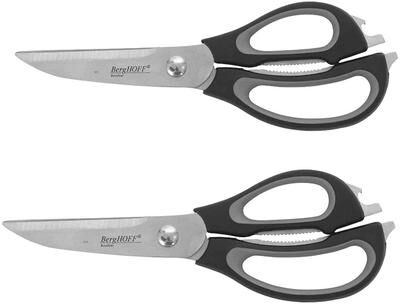
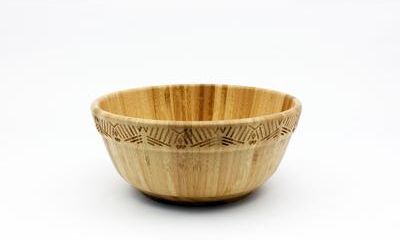
Products related to BergHOFF-Bamboo-2pc-Sushi:


-
Compare bamboo and lucky bamboo.
Bamboo and lucky bamboo are both types of plants, but they belong to different species. Regular bamboo is a type of grass that can grow very tall and is often used for construction and as a food source. Lucky bamboo, on the other hand, is a smaller plant that is often grown indoors as a decorative plant and is believed to bring good luck and prosperity according to Feng Shui beliefs. Additionally, lucky bamboo is typically grown in water, while regular bamboo is grown in soil. **
-
Instead of bamboo shoots, bamboo strips?
Yes, bamboo strips can be used as a substitute for bamboo shoots in certain recipes. However, it's important to note that bamboo strips have a different texture and flavor compared to bamboo shoots. Bamboo strips are typically more fibrous and may require longer cooking times to become tender. They are commonly used in stir-fries, soups, and salads, adding a unique crunch and earthy flavor to the dish. **
-
Can I transport self-prepared sushi without refrigeration?
It is not recommended to transport self-prepared sushi without refrigeration, as sushi contains raw fish which is highly perishable and can quickly grow harmful bacteria at room temperature. To ensure food safety and prevent foodborne illnesses, it is best to keep sushi refrigerated until ready to eat. If you need to transport sushi, consider using a cooler with ice packs to keep it at a safe temperature. **
-
'Bamboo lower classifications'
Bamboo belongs to the subfamily Bambusoideae within the grass family Poaceae. It is further classified into two tribes: Bambuseae and Olyreae. Bambuseae includes the majority of bamboo species and is characterized by having woody stems and a unique flowering pattern. Olyreae, on the other hand, consists of herbaceous bamboos with smaller, thinner stems. These lower classifications help to categorize and understand the diverse range of bamboo species found around the world. **

Is bamboo weatherproof?
Yes, bamboo is weatherproof to some extent. It is naturally resistant to water and can withstand some exposure to the elements. However, prolonged exposure to moisture and extreme weather conditions can cause bamboo to deteriorate over time. To enhance its weatherproof qualities, bamboo can be treated with sealants or coatings to provide additional protection against the elements. **
Is it possible to transport sushi at 30 degrees Celsius?
It is not recommended to transport sushi at 30 degrees Celsius as this temperature is within the danger zone for foodborne bacteria growth (between 4-60 degrees Celsius). Sushi contains raw fish and other perishable ingredients that can spoil quickly at higher temperatures, increasing the risk of foodborne illness. It is best to transport sushi in a temperature-controlled environment to ensure its safety and quality. **
Top-Angebote
Products related to BergHOFF-Bamboo-2pc-Sushi:
-
Do you need a bamboo mat to make sushi?
While a bamboo mat, also known as a sushi rolling mat or makisu, is traditionally used to help roll sushi neatly and tightly, it is not absolutely necessary to make sushi. You can still make sushi without a bamboo mat by using plastic wrap or a kitchen towel as a substitute. However, using a bamboo mat can make the rolling process easier and help achieve a more uniform shape for your sushi rolls. **
-
Where can I find the bamboo mats to make sushi?
You can find bamboo mats for making sushi at most Asian grocery stores, kitchen supply stores, or online retailers such as Amazon or specialty kitchenware websites. These mats are commonly used in sushi making to help roll and shape the sushi rice and fillings. They are usually inexpensive and can be reused multiple times with proper care. **
-
Compare bamboo and lucky bamboo.
Bamboo and lucky bamboo are both types of plants, but they belong to different species. Regular bamboo is a type of grass that can grow very tall and is often used for construction and as a food source. Lucky bamboo, on the other hand, is a smaller plant that is often grown indoors as a decorative plant and is believed to bring good luck and prosperity according to Feng Shui beliefs. Additionally, lucky bamboo is typically grown in water, while regular bamboo is grown in soil. **
-
Instead of bamboo shoots, bamboo strips?
Yes, bamboo strips can be used as a substitute for bamboo shoots in certain recipes. However, it's important to note that bamboo strips have a different texture and flavor compared to bamboo shoots. Bamboo strips are typically more fibrous and may require longer cooking times to become tender. They are commonly used in stir-fries, soups, and salads, adding a unique crunch and earthy flavor to the dish. **
Similar search terms for BergHOFF-Bamboo-2pc-Sushi
-
Can I transport self-prepared sushi without refrigeration?
It is not recommended to transport self-prepared sushi without refrigeration, as sushi contains raw fish which is highly perishable and can quickly grow harmful bacteria at room temperature. To ensure food safety and prevent foodborne illnesses, it is best to keep sushi refrigerated until ready to eat. If you need to transport sushi, consider using a cooler with ice packs to keep it at a safe temperature. **
-
'Bamboo lower classifications'
Bamboo belongs to the subfamily Bambusoideae within the grass family Poaceae. It is further classified into two tribes: Bambuseae and Olyreae. Bambuseae includes the majority of bamboo species and is characterized by having woody stems and a unique flowering pattern. Olyreae, on the other hand, consists of herbaceous bamboos with smaller, thinner stems. These lower classifications help to categorize and understand the diverse range of bamboo species found around the world. **
-
Is bamboo weatherproof?
Yes, bamboo is weatherproof to some extent. It is naturally resistant to water and can withstand some exposure to the elements. However, prolonged exposure to moisture and extreme weather conditions can cause bamboo to deteriorate over time. To enhance its weatherproof qualities, bamboo can be treated with sealants or coatings to provide additional protection against the elements. **
-
Is it possible to transport sushi at 30 degrees Celsius?
It is not recommended to transport sushi at 30 degrees Celsius as this temperature is within the danger zone for foodborne bacteria growth (between 4-60 degrees Celsius). Sushi contains raw fish and other perishable ingredients that can spoil quickly at higher temperatures, increasing the risk of foodborne illness. It is best to transport sushi in a temperature-controlled environment to ensure its safety and quality. **
* All prices are inclusive of VAT and, if applicable, plus shipping costs. The offer information is based on the details provided by the respective shop and is updated through automated processes. Real-time updates do not occur, so deviations can occur in individual cases. ** Note: Parts of this content were created by AI.