Buy hopon-hopoff.eu ?
We are moving the project
hopon-hopoff.eu .
Are you interested in purchasing the domain
hopon-hopoff.eu ?
domain@kv-gmbh.de · 0541-91531010
Buy hopon-hopoff.eu ?
Who are Bosniaks?
Bosniaks are a South Slavic ethnic group primarily associated with Bosnia and Herzegovina. They are predominantly Muslim and have a distinct cultural and linguistic identity. Bosniaks have a rich history that includes a mix of Slavic, Ottoman, and European influences. They have faced challenges throughout history, including the Bosnian War in the 1990s, but have continued to maintain their cultural heritage and traditions. **
Are Bosniaks related to Turks?
The Bosniaks are a South Slavic ethnic group native to Bosnia and Herzegovina, and they have a complex ethnic and cultural heritage. While there has been historical interaction and influence between the Bosniaks and the Turks due to the Ottoman Empire's rule in the region for several centuries, it is important to note that the Bosniaks are not directly related to the Turks in terms of their ethnic origins. The Bosniaks have a distinct Slavic ancestry and language, and their cultural and religious identity has been shaped by a combination of influences from various civilizations, including the Ottoman Turkish influence. **


Similar search terms for Bosniaks
Top-Angebote
Products related to Bosniaks:
-
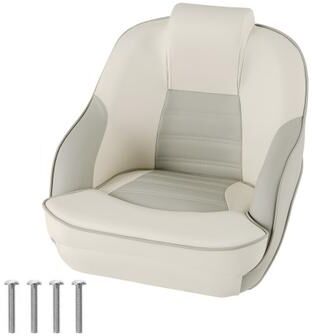
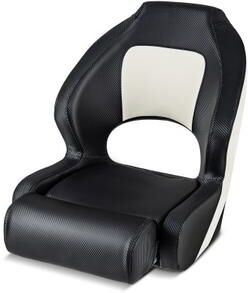
Costway Captain Bucket Seat with Waterproof PVC Leather for Boat Sightseeing-White"Take Your Marine Adventures to the Next Level! Our captain bucket seat measures 23"" x 24"" x 21""(L x W x H) and it can be installed on the boat platform for seating, on the boat swivel, or on a pedestal for captains."232,99 $*Shipping: 0,00 $Secure redirect to the provider

-
What is the descent of the Bosniaks?
The Bosniaks are a South Slavic ethnic group primarily associated with Bosnia and Herzegovina. Their descent can be traced back to the medieval Bosnian Kingdom, which was a melting pot of different ethnic groups, including Slavs, Illyrians, and later, Ottoman Turks. Over time, the Bosniaks developed a unique cultural and religious identity, with the majority of them adhering to Islam. The historical and cultural influences from various civilizations, such as the Byzantine, Ottoman, and Austro-Hungarian empires, have contributed to the diverse and multi-faceted identity of the Bosniak people. **
-
Are today's Bosniaks actually not Muslim Croats?
No, today's Bosniaks are not simply Muslim Croats. While it is true that many Bosniaks have a shared history with the Croat people and have cultural and linguistic ties to them, Bosniaks have their own distinct identity and heritage. The majority of Bosniaks are Muslim, while Croats are predominantly Catholic. Additionally, Bosniaks have a unique history and cultural heritage that sets them apart from other ethnic groups in the region. Therefore, it is not accurate to simply categorize Bosniaks as Muslim Croats. **
-
Why do Bosnians, Bosniaks, and Croats actually hate each other?
The animosity between Bosnians, Bosniaks, and Croats is rooted in a complex history of ethnic and religious tensions. The region has a long history of ethnic and religious diversity, and these differences have often been a source of conflict. The breakup of Yugoslavia in the 1990s led to a brutal war in Bosnia and Herzegovina, during which all three groups committed atrocities against each other. This has left deep scars and a legacy of mistrust and resentment. Additionally, political and economic factors have also contributed to the ongoing tensions between these groups. **
-
Why do Bosniaks tend to support Albanians more than Serbs?
Bosniaks tend to support Albanians more than Serbs due to historical and cultural ties. Both Bosniaks and Albanians are predominantly Muslim and have faced similar challenges in the Balkans, including discrimination and conflict with Serbs. Additionally, Bosniaks and Albanians have a shared experience of seeking independence and self-determination, which creates a sense of solidarity between the two groups. On the other hand, the relationship between Bosniaks and Serbs has been strained due to the Bosnian War in the 1990s, during which Bosniaks suffered greatly at the hands of Serbian forces. These factors contribute to the stronger support that Bosniaks tend to show towards Albanians compared to Serbs. **

How can one build or make sightseeing attractions?
One can build or make sightseeing attractions by first identifying a unique and interesting feature of the area, such as natural landmarks, historical sites, or cultural experiences. Then, develop a plan to enhance and showcase this feature, which may include building infrastructure like viewing platforms, walking trails, or visitor centers. Additionally, creating informative signage, interactive exhibits, and guided tours can help to educate and engage visitors. Finally, promoting the attraction through marketing and partnerships with local businesses and tourism organizations can help to draw in visitors and make the sightseeing attraction successful. **
Corfu City Map Sightseeing
Corfu City Map Sightseeing is a guide that provides information on the various attractions and points of interest in Corfu City. It includes a detailed map that highlights key landmarks such as the Old Fortress, Liston Promenade, and Spianada Square. This guide is helpful for tourists looking to explore the city on foot and discover its rich history and culture. By following the map, visitors can easily navigate the city and make the most of their sightseeing experience. **
Top-Angebote
Products related to Bosniaks:
-
Banbo Manchester City Model Bus Football Team Coach ToySculpted in Manchester City's iconic sky blue with authentic team crest and club branding, this Banbo miniature bus captures one of football's most recognisable vehicles in detailed diecast form. Standing 28cm long, it's perfectly sized for display on desks, shelves, or as part of a growing collection of official club memorabilia. The model suits collectors and Manchester City fans of all ages who want to showcase their pride at home or in the office. • Official Manchester City Branding: Features the club crest and "CITY" lettering faithfully reproduced on an officially licensed replica. • Authentic Detailing: Highly detailed diecast construction with realistic proportions and finish that captures the team bus with precision. • Interactive Features: Doors open and close, and wheels roll freely for enhanced playability and authentic recreation. • Display-Ready Size: At 28cm long, the model is compact enough to fit on shelves and desks yet substantial enough to stand out in any collection. • Durable Construction: Crafted from high-quality diecast materials designed to withstand regular handling and display. • Collector's Must-Have: A premium collectible piece that appeals to Manchester City supporters and football memorabilia enthusiasts alike.20,49 £*Shipping: 0,00 £Secure redirect to the provider
-
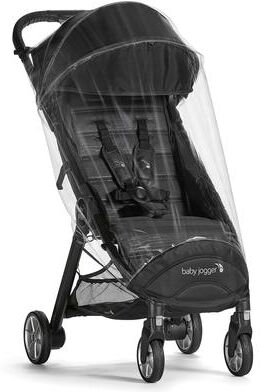
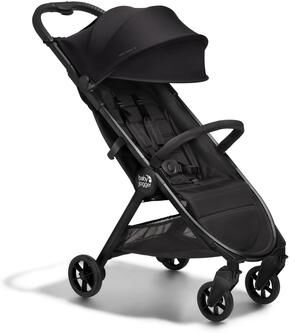
Baby Jogger City Tour 2 Double Stroller, Pitch BlackThe City Tour™ 2 Double folds small for double the adventures. The lightweight design fits through a standard doorway and features an ultra-compact fold, making getting around town with two easier than ever.499,99 $*Shipping: 0,00 $Secure redirect to the provider
-
Who are Bosniaks?
Bosniaks are a South Slavic ethnic group primarily associated with Bosnia and Herzegovina. They are predominantly Muslim and have a distinct cultural and linguistic identity. Bosniaks have a rich history that includes a mix of Slavic, Ottoman, and European influences. They have faced challenges throughout history, including the Bosnian War in the 1990s, but have continued to maintain their cultural heritage and traditions. **
-
Are Bosniaks related to Turks?
The Bosniaks are a South Slavic ethnic group native to Bosnia and Herzegovina, and they have a complex ethnic and cultural heritage. While there has been historical interaction and influence between the Bosniaks and the Turks due to the Ottoman Empire's rule in the region for several centuries, it is important to note that the Bosniaks are not directly related to the Turks in terms of their ethnic origins. The Bosniaks have a distinct Slavic ancestry and language, and their cultural and religious identity has been shaped by a combination of influences from various civilizations, including the Ottoman Turkish influence. **
-
What is the descent of the Bosniaks?
The Bosniaks are a South Slavic ethnic group primarily associated with Bosnia and Herzegovina. Their descent can be traced back to the medieval Bosnian Kingdom, which was a melting pot of different ethnic groups, including Slavs, Illyrians, and later, Ottoman Turks. Over time, the Bosniaks developed a unique cultural and religious identity, with the majority of them adhering to Islam. The historical and cultural influences from various civilizations, such as the Byzantine, Ottoman, and Austro-Hungarian empires, have contributed to the diverse and multi-faceted identity of the Bosniak people. **
-
Are today's Bosniaks actually not Muslim Croats?
No, today's Bosniaks are not simply Muslim Croats. While it is true that many Bosniaks have a shared history with the Croat people and have cultural and linguistic ties to them, Bosniaks have their own distinct identity and heritage. The majority of Bosniaks are Muslim, while Croats are predominantly Catholic. Additionally, Bosniaks have a unique history and cultural heritage that sets them apart from other ethnic groups in the region. Therefore, it is not accurate to simply categorize Bosniaks as Muslim Croats. **
Similar search terms for Bosniaks
-
Costway Captain Bucket Seat with Waterproof PVC Leather for Boat Sightseeing-White"Take Your Marine Adventures to the Next Level! Our captain bucket seat measures 23"" x 24"" x 21""(L x W x H) and it can be installed on the boat platform for seating, on the boat swivel, or on a pedestal for captains."232,99 $*Shipping: 0,00 $Secure redirect to the provider
-
Magic School Bus Value Pack (5 Books)The Magic School Bus award winning books from Scholastic have captivated both children and adults with clever storylines, extraordinary field trips and the one of a kind Ms. Frizzle. Written by Joanna Cole and illustrated by Bruce Degen, The Magic...34,97 $*Shipping: 0,00 $Secure redirect to the provider
-
Why do Bosnians, Bosniaks, and Croats actually hate each other?
The animosity between Bosnians, Bosniaks, and Croats is rooted in a complex history of ethnic and religious tensions. The region has a long history of ethnic and religious diversity, and these differences have often been a source of conflict. The breakup of Yugoslavia in the 1990s led to a brutal war in Bosnia and Herzegovina, during which all three groups committed atrocities against each other. This has left deep scars and a legacy of mistrust and resentment. Additionally, political and economic factors have also contributed to the ongoing tensions between these groups. **
-
Why do Bosniaks tend to support Albanians more than Serbs?
Bosniaks tend to support Albanians more than Serbs due to historical and cultural ties. Both Bosniaks and Albanians are predominantly Muslim and have faced similar challenges in the Balkans, including discrimination and conflict with Serbs. Additionally, Bosniaks and Albanians have a shared experience of seeking independence and self-determination, which creates a sense of solidarity between the two groups. On the other hand, the relationship between Bosniaks and Serbs has been strained due to the Bosnian War in the 1990s, during which Bosniaks suffered greatly at the hands of Serbian forces. These factors contribute to the stronger support that Bosniaks tend to show towards Albanians compared to Serbs. **
-
How can one build or make sightseeing attractions?
One can build or make sightseeing attractions by first identifying a unique and interesting feature of the area, such as natural landmarks, historical sites, or cultural experiences. Then, develop a plan to enhance and showcase this feature, which may include building infrastructure like viewing platforms, walking trails, or visitor centers. Additionally, creating informative signage, interactive exhibits, and guided tours can help to educate and engage visitors. Finally, promoting the attraction through marketing and partnerships with local businesses and tourism organizations can help to draw in visitors and make the sightseeing attraction successful. **
-
Corfu City Map Sightseeing
Corfu City Map Sightseeing is a guide that provides information on the various attractions and points of interest in Corfu City. It includes a detailed map that highlights key landmarks such as the Old Fortress, Liston Promenade, and Spianada Square. This guide is helpful for tourists looking to explore the city on foot and discover its rich history and culture. By following the map, visitors can easily navigate the city and make the most of their sightseeing experience. **
* All prices are inclusive of VAT and, if applicable, plus shipping costs. The offer information is based on the details provided by the respective shop and is updated through automated processes. Real-time updates do not occur, so deviations can occur in individual cases. ** Note: Parts of this content were created by AI.