Buy hopon-hopoff.eu ?
We are moving the project
hopon-hopoff.eu .
Are you interested in purchasing the domain
hopon-hopoff.eu ?
domain@kv-gmbh.de · 0541-91531010
Buy hopon-hopoff.eu ?
"Pest or Cholera?"
"Pest or Cholera?" is a phrase used to describe a situation where one is faced with two equally undesirable options. It originates from the German phrase "Die Pest oder die Cholera," which refers to the choice between two deadly diseases. When someone says "Pest or Cholera?" they are expressing the feeling of being stuck between two bad choices and having to choose the lesser of two evils. It highlights the difficulty of decision-making in challenging circumstances. **
Where is cholera still present today?
Cholera is still present today in regions with poor sanitation and lack of access to clean water, particularly in parts of Africa, South Asia, and Central America. Countries such as Haiti, Yemen, and Nigeria have experienced recent cholera outbreaks. Efforts to improve water and sanitation infrastructure, as well as vaccination campaigns, are important in controlling the spread of cholera in these regions. **


Similar search terms for Cholera
Top-Angebote
Products related to Cholera:
-
Lonely Planet Turkey Travel Guide – Istanbul, Top Attractions & Travel CollectionLonely Planet Turkey is your passport to the most relevant, up-to-date advice on what to see and skip, and what hidden discoveries await you. Bath in a hammam; explore chaotic and colourful bazaars; or hot air balloon over Cappadocia's honeycomb landscape -all with your trusted travel companion. Get to the heart of Turkey and begin your journey now12,45 £*Shipping: 2,99 £Secure redirect to the provider


-
When was the cholera in Switzerland?
Cholera first appeared in Switzerland in 1836, during the first cholera pandemic that spread across Europe. The disease reappeared in Switzerland during subsequent cholera outbreaks in the 19th century. The last major cholera epidemic in Switzerland occurred in 1867. Since then, the country has implemented public health measures to prevent the spread of cholera and other infectious diseases. **
-
Is cholera a threat in Germany?
Cholera is not currently considered a significant threat in Germany. The country has a well-developed sanitation and public health infrastructure that helps to prevent the spread of cholera. Additionally, there have been no recent outbreaks of cholera in Germany. However, as a popular travel destination, there is always a potential risk of imported cases, so it is important for travelers to be aware of the risk factors and take necessary precautions when visiting areas where cholera is endemic. **
-
What is the antidote for cholera?
The primary treatment for cholera is rehydration therapy, which involves replacing the fluids and electrolytes lost through diarrhea and vomiting. This can be done through oral rehydration solution (ORS) or intravenous fluids in severe cases. Antibiotics such as doxycycline or azithromycin may also be used to reduce the duration and severity of the illness. Additionally, zinc supplements can help reduce the duration of diarrhea and improve overall recovery. **
-
Why are cholera and typhus feared after natural disasters?
Cholera and typhus are feared after natural disasters because they are both waterborne diseases that can spread rapidly in unsanitary conditions. Natural disasters often disrupt water and sanitation systems, leading to contaminated water sources and poor hygiene, which can increase the risk of cholera and typhus outbreaks. Additionally, overcrowded living conditions in temporary shelters can facilitate the spread of these diseases. Without access to clean water and proper sanitation, the risk of contracting cholera and typhus becomes significantly higher, making them a major concern in the aftermath of natural disasters. **


How do cholera bacteria cause the loss of salts in water?
Cholera bacteria cause the loss of salts in water by producing a toxin that affects the cells lining the small intestine. This toxin leads to the opening of chloride channels in the cells, causing a massive outpouring of chloride ions into the intestine. This in turn leads to the secretion of large amounts of water into the intestine, resulting in severe diarrhea and dehydration. The loss of salts in the water occurs as a result of this excessive fluid and electrolyte loss from the body. **
How can one build or make sightseeing attractions?
One can build or make sightseeing attractions by first identifying a unique and interesting feature of the area, such as natural landmarks, historical sites, or cultural experiences. Then, develop a plan to enhance and showcase this feature, which may include building infrastructure like viewing platforms, walking trails, or visitor centers. Additionally, creating informative signage, interactive exhibits, and guided tours can help to educate and engage visitors. Finally, promoting the attraction through marketing and partnerships with local businesses and tourism organizations can help to draw in visitors and make the sightseeing attraction successful. **
Top-Angebote
Products related to Cholera:
-
Banbo Manchester City Model Bus Football Team Coach ToySculpted in Manchester City's iconic sky blue with authentic team crest and club branding, this Banbo miniature bus captures one of football's most recognisable vehicles in detailed diecast form. Standing 28cm long, it's perfectly sized for display on desks, shelves, or as part of a growing collection of official club memorabilia. The model suits collectors and Manchester City fans of all ages who want to showcase their pride at home or in the office. • Official Manchester City Branding: Features the club crest and "CITY" lettering faithfully reproduced on an officially licensed replica. • Authentic Detailing: Highly detailed diecast construction with realistic proportions and finish that captures the team bus with precision. • Interactive Features: Doors open and close, and wheels roll freely for enhanced playability and authentic recreation. • Display-Ready Size: At 28cm long, the model is compact enough to fit on shelves and desks yet substantial enough to stand out in any collection. • Durable Construction: Crafted from high-quality diecast materials designed to withstand regular handling and display. • Collector's Must-Have: A premium collectible piece that appeals to Manchester City supporters and football memorabilia enthusiasts alike.20,49 £*Shipping: 0,00 £Secure redirect to the provider
-
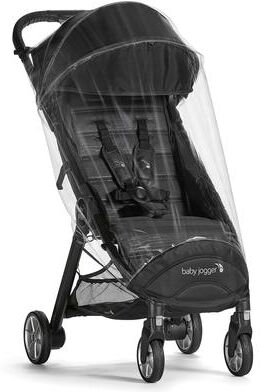
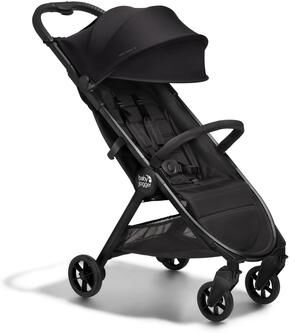
Baby Jogger City Tour 2 Double Stroller, Pitch BlackThe City Tour™ 2 Double folds small for double the adventures. The lightweight design fits through a standard doorway and features an ultra-compact fold, making getting around town with two easier than ever.499,99 $*Shipping: 0,00 $Secure redirect to the provider
-
"Pest or Cholera?"
"Pest or Cholera?" is a phrase used to describe a situation where one is faced with two equally undesirable options. It originates from the German phrase "Die Pest oder die Cholera," which refers to the choice between two deadly diseases. When someone says "Pest or Cholera?" they are expressing the feeling of being stuck between two bad choices and having to choose the lesser of two evils. It highlights the difficulty of decision-making in challenging circumstances. **
-
Where is cholera still present today?
Cholera is still present today in regions with poor sanitation and lack of access to clean water, particularly in parts of Africa, South Asia, and Central America. Countries such as Haiti, Yemen, and Nigeria have experienced recent cholera outbreaks. Efforts to improve water and sanitation infrastructure, as well as vaccination campaigns, are important in controlling the spread of cholera in these regions. **
-
When was the cholera in Switzerland?
Cholera first appeared in Switzerland in 1836, during the first cholera pandemic that spread across Europe. The disease reappeared in Switzerland during subsequent cholera outbreaks in the 19th century. The last major cholera epidemic in Switzerland occurred in 1867. Since then, the country has implemented public health measures to prevent the spread of cholera and other infectious diseases. **
-
Is cholera a threat in Germany?
Cholera is not currently considered a significant threat in Germany. The country has a well-developed sanitation and public health infrastructure that helps to prevent the spread of cholera. Additionally, there have been no recent outbreaks of cholera in Germany. However, as a popular travel destination, there is always a potential risk of imported cases, so it is important for travelers to be aware of the risk factors and take necessary precautions when visiting areas where cholera is endemic. **
Similar search terms for Cholera
-
Lonely Planet Turkey Travel Guide – Istanbul, Top Attractions & Travel CollectionLonely Planet Turkey is your passport to the most relevant, up-to-date advice on what to see and skip, and what hidden discoveries await you. Bath in a hammam; explore chaotic and colourful bazaars; or hot air balloon over Cappadocia's honeycomb landscape -all with your trusted travel companion. Get to the heart of Turkey and begin your journey now12,45 £*Shipping: 2,99 £Secure redirect to the provider
-
Costway Captain Bucket Seat with Waterproof PVC Leather for Boat Sightseeing-White"Take Your Marine Adventures to the Next Level! Our captain bucket seat measures 23"" x 24"" x 21""(L x W x H) and it can be installed on the boat platform for seating, on the boat swivel, or on a pedestal for captains."232,99 $*Shipping: 0,00 $Secure redirect to the provider
-
What is the antidote for cholera?
The primary treatment for cholera is rehydration therapy, which involves replacing the fluids and electrolytes lost through diarrhea and vomiting. This can be done through oral rehydration solution (ORS) or intravenous fluids in severe cases. Antibiotics such as doxycycline or azithromycin may also be used to reduce the duration and severity of the illness. Additionally, zinc supplements can help reduce the duration of diarrhea and improve overall recovery. **
-
Why are cholera and typhus feared after natural disasters?
Cholera and typhus are feared after natural disasters because they are both waterborne diseases that can spread rapidly in unsanitary conditions. Natural disasters often disrupt water and sanitation systems, leading to contaminated water sources and poor hygiene, which can increase the risk of cholera and typhus outbreaks. Additionally, overcrowded living conditions in temporary shelters can facilitate the spread of these diseases. Without access to clean water and proper sanitation, the risk of contracting cholera and typhus becomes significantly higher, making them a major concern in the aftermath of natural disasters. **
-
How do cholera bacteria cause the loss of salts in water?
Cholera bacteria cause the loss of salts in water by producing a toxin that affects the cells lining the small intestine. This toxin leads to the opening of chloride channels in the cells, causing a massive outpouring of chloride ions into the intestine. This in turn leads to the secretion of large amounts of water into the intestine, resulting in severe diarrhea and dehydration. The loss of salts in the water occurs as a result of this excessive fluid and electrolyte loss from the body. **
-
How can one build or make sightseeing attractions?
One can build or make sightseeing attractions by first identifying a unique and interesting feature of the area, such as natural landmarks, historical sites, or cultural experiences. Then, develop a plan to enhance and showcase this feature, which may include building infrastructure like viewing platforms, walking trails, or visitor centers. Additionally, creating informative signage, interactive exhibits, and guided tours can help to educate and engage visitors. Finally, promoting the attraction through marketing and partnerships with local businesses and tourism organizations can help to draw in visitors and make the sightseeing attraction successful. **
* All prices are inclusive of VAT and, if applicable, plus shipping costs. The offer information is based on the details provided by the respective shop and is updated through automated processes. Real-time updates do not occur, so deviations can occur in individual cases. ** Note: Parts of this content were created by AI.