Buy hopon-hopoff.eu ?
We are moving the project
hopon-hopoff.eu .
Are you interested in purchasing the domain
hopon-hopoff.eu ?
domain@kv-gmbh.de · 0541-91531010
Buy hopon-hopoff.eu ?
Are paramecia animal or plant single-celled organisms?
Paramecia are single-celled organisms that belong to the kingdom Protista. They are considered to be animal-like protists because they are heterotrophic, meaning they obtain their nutrients by ingesting other organisms. Paramecia are not considered to be plants because they do not perform photosynthesis and do not have cell walls made of cellulose. Instead, they have cilia for movement and feed on bacteria and other small organisms. **
How does nutrition and digestion occur in paramecia?
Paramecia obtain nutrition through phagocytosis, where they engulf food particles such as bacteria or algae using their cilia. Once the food particles are inside the paramecium, they are enclosed in a food vacuole. Digestive enzymes are then secreted into the food vacuole to break down the food particles into smaller molecules. These nutrients are then absorbed by the paramecium for energy and growth. Any undigested material is expelled from the cell through a process called exocytosis. **


Similar search terms for Paramecia
Top-Angebote
Products related to Paramecia:


-
What does the competition look like for paramecia?
The competition for paramecia is primarily with other microorganisms in their environment, such as bacteria and other protozoa. They compete for resources such as food and living space. Paramecia use their cilia to move and feed on bacteria and other small organisms, and they also reproduce rapidly, allowing them to outcompete other microorganisms for resources. Additionally, paramecia may also face competition from predators such as other protozoa, small crustaceans, and even some types of algae. **
-
What can be observed with a microscope in paramecia?
With a microscope, one can observe the cilia that paramecia use for movement, as well as their characteristic slipper-like shape. Additionally, the nucleus, contractile vacuoles, and food vacuoles within the paramecia can be seen under a microscope. Observing paramecia under a microscope can also reveal their feeding behavior, as they engulf food particles through a process called phagocytosis. **
-
How does the nutrition and digestion occur in paramecia?
Paramecia obtain nutrition through phagocytosis, where they engulf food particles such as bacteria, algae, and other organic matter. Once inside the cell, the food vacuole containing the engulfed particles fuses with lysosomes, where digestion occurs. Enzymes within the lysosomes break down the food particles into smaller molecules, which are then absorbed and utilized by the paramecium for energy and growth. Waste products are expelled from the cell through a specialized structure called the anal pore. **
-
What is the ecology of paramecia and yeast cells?
Paramecia are single-celled organisms that are found in freshwater environments. They are heterotrophic, meaning they feed on bacteria and other small organisms. Paramecia play a role in the ecosystem by helping to control bacterial populations and serving as a food source for larger organisms. Yeast cells are also single-celled organisms that are found in various environments, including soil, plants, and the human body. They are important in the process of fermentation, which is used in the production of bread, beer, and wine. Yeast cells also play a role in the decomposition of organic matter and are a food source for other organisms in the ecosystem. **

Why do some paramecia not have a pulsating vacuole?
Some paramecia do not have a pulsating vacuole because they may live in environments with stable water conditions, such as freshwater ponds or slow-moving streams, where they do not need to actively regulate their water balance. Additionally, some species of paramecia may have evolved alternative mechanisms for maintaining water balance, such as specialized contractile vacuoles or other cellular structures. The absence of a pulsating vacuole in certain paramecia may also be a result of genetic variation and adaptation to specific ecological niches. **
Why do paramecia in the sea not have pulsating vacuoles?
Paramecia in the sea do not have pulsating vacuoles because they do not need them to regulate water balance. In a marine environment, the concentration of salt outside the cell is similar to that inside the cell, so there is no need for the paramecia to actively pump out excess water. Pulsating vacuoles are more commonly found in freshwater paramecia, where they help regulate water balance by pumping out excess water that enters the cell due to osmosis. **
Top-Angebote
Products related to Paramecia:
-
Banbo Manchester City Model Bus Football Team Coach ToySculpted in Manchester City's iconic sky blue with authentic team crest and club branding, this Banbo miniature bus captures one of football's most recognisable vehicles in detailed diecast form. Standing 28cm long, it's perfectly sized for display on desks, shelves, or as part of a growing collection of official club memorabilia. The model suits collectors and Manchester City fans of all ages who want to showcase their pride at home or in the office. • Official Manchester City Branding: Features the club crest and "CITY" lettering faithfully reproduced on an officially licensed replica. • Authentic Detailing: Highly detailed diecast construction with realistic proportions and finish that captures the team bus with precision. • Interactive Features: Doors open and close, and wheels roll freely for enhanced playability and authentic recreation. • Display-Ready Size: At 28cm long, the model is compact enough to fit on shelves and desks yet substantial enough to stand out in any collection. • Durable Construction: Crafted from high-quality diecast materials designed to withstand regular handling and display. • Collector's Must-Have: A premium collectible piece that appeals to Manchester City supporters and football memorabilia enthusiasts alike.20,49 £*Shipping: 0,00 £Secure redirect to the provider
-
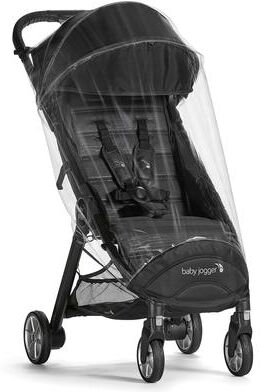
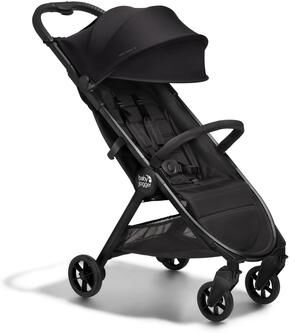
Baby Jogger City Tour 2 Double Stroller, Pitch BlackThe City Tour™ 2 Double folds small for double the adventures. The lightweight design fits through a standard doorway and features an ultra-compact fold, making getting around town with two easier than ever.499,99 $*Shipping: 0,00 $Secure redirect to the provider
-
Are paramecia animal or plant single-celled organisms?
Paramecia are single-celled organisms that belong to the kingdom Protista. They are considered to be animal-like protists because they are heterotrophic, meaning they obtain their nutrients by ingesting other organisms. Paramecia are not considered to be plants because they do not perform photosynthesis and do not have cell walls made of cellulose. Instead, they have cilia for movement and feed on bacteria and other small organisms. **
-
How does nutrition and digestion occur in paramecia?
Paramecia obtain nutrition through phagocytosis, where they engulf food particles such as bacteria or algae using their cilia. Once the food particles are inside the paramecium, they are enclosed in a food vacuole. Digestive enzymes are then secreted into the food vacuole to break down the food particles into smaller molecules. These nutrients are then absorbed by the paramecium for energy and growth. Any undigested material is expelled from the cell through a process called exocytosis. **
-
What does the competition look like for paramecia?
The competition for paramecia is primarily with other microorganisms in their environment, such as bacteria and other protozoa. They compete for resources such as food and living space. Paramecia use their cilia to move and feed on bacteria and other small organisms, and they also reproduce rapidly, allowing them to outcompete other microorganisms for resources. Additionally, paramecia may also face competition from predators such as other protozoa, small crustaceans, and even some types of algae. **
-
What can be observed with a microscope in paramecia?
With a microscope, one can observe the cilia that paramecia use for movement, as well as their characteristic slipper-like shape. Additionally, the nucleus, contractile vacuoles, and food vacuoles within the paramecia can be seen under a microscope. Observing paramecia under a microscope can also reveal their feeding behavior, as they engulf food particles through a process called phagocytosis. **
Similar search terms for Paramecia
-
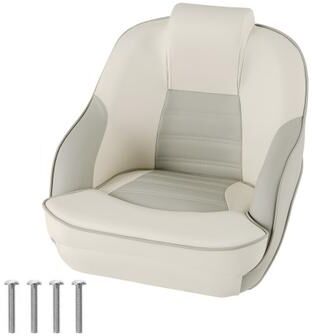
Costway Captain Bucket Seat with Waterproof PVC Leather for Boat Sightseeing-White"Take Your Marine Adventures to the Next Level! Our captain bucket seat measures 23"" x 24"" x 21""(L x W x H) and it can be installed on the boat platform for seating, on the boat swivel, or on a pedestal for captains."232,99 $*Shipping: 0,00 $Secure redirect to the provider
-
Magic School Bus Value Pack (5 Books)The Magic School Bus award winning books from Scholastic have captivated both children and adults with clever storylines, extraordinary field trips and the one of a kind Ms. Frizzle. Written by Joanna Cole and illustrated by Bruce Degen, The Magic...34,97 $*Shipping: 0,00 $Secure redirect to the provider
-
How does the nutrition and digestion occur in paramecia?
Paramecia obtain nutrition through phagocytosis, where they engulf food particles such as bacteria, algae, and other organic matter. Once inside the cell, the food vacuole containing the engulfed particles fuses with lysosomes, where digestion occurs. Enzymes within the lysosomes break down the food particles into smaller molecules, which are then absorbed and utilized by the paramecium for energy and growth. Waste products are expelled from the cell through a specialized structure called the anal pore. **
-
What is the ecology of paramecia and yeast cells?
Paramecia are single-celled organisms that are found in freshwater environments. They are heterotrophic, meaning they feed on bacteria and other small organisms. Paramecia play a role in the ecosystem by helping to control bacterial populations and serving as a food source for larger organisms. Yeast cells are also single-celled organisms that are found in various environments, including soil, plants, and the human body. They are important in the process of fermentation, which is used in the production of bread, beer, and wine. Yeast cells also play a role in the decomposition of organic matter and are a food source for other organisms in the ecosystem. **
-
Why do some paramecia not have a pulsating vacuole?
Some paramecia do not have a pulsating vacuole because they may live in environments with stable water conditions, such as freshwater ponds or slow-moving streams, where they do not need to actively regulate their water balance. Additionally, some species of paramecia may have evolved alternative mechanisms for maintaining water balance, such as specialized contractile vacuoles or other cellular structures. The absence of a pulsating vacuole in certain paramecia may also be a result of genetic variation and adaptation to specific ecological niches. **
-
Why do paramecia in the sea not have pulsating vacuoles?
Paramecia in the sea do not have pulsating vacuoles because they do not need them to regulate water balance. In a marine environment, the concentration of salt outside the cell is similar to that inside the cell, so there is no need for the paramecia to actively pump out excess water. Pulsating vacuoles are more commonly found in freshwater paramecia, where they help regulate water balance by pumping out excess water that enters the cell due to osmosis. **
* All prices are inclusive of VAT and, if applicable, plus shipping costs. The offer information is based on the details provided by the respective shop and is updated through automated processes. Real-time updates do not occur, so deviations can occur in individual cases. ** Note: Parts of this content were created by AI.