Buy hopon-hopoff.eu ?
We are moving the project
hopon-hopoff.eu .
Are you interested in purchasing the domain
hopon-hopoff.eu ?
domain@kv-gmbh.de · 0541-91531010
Buy hopon-hopoff.eu ?
What is urbanization?
Urbanization is the process of population concentration in cities and towns, leading to the growth of urban areas at the expense of rural areas. It involves the migration of people from rural to urban areas in search of better opportunities, resulting in the expansion of infrastructure, housing, and services in urban areas. Urbanization is often accompanied by industrialization and economic development, leading to changes in social, cultural, and environmental aspects of society. **
What is the difference between urbanization level and urbanization rate?
Urbanization level refers to the proportion of a country's population living in urban areas, while urbanization rate refers to the speed at which a country is urbanizing. The urbanization level is a static measure at a specific point in time, while the urbanization rate is a dynamic measure that shows how quickly urbanization is occurring. A country can have a high urbanization level but a low urbanization rate if the growth of urban areas has slowed down. **


Similar search terms for Urbanization
Top-Angebote
Products related to Urbanization:



-
What does urbanization mean?
Urbanization refers to the process of a population shifting from rural areas to urban areas, leading to the growth and expansion of cities. This process is often accompanied by changes in infrastructure, land use, and social and economic systems. Urbanization is driven by factors such as industrialization, economic opportunities, and population growth, and it can have both positive and negative impacts on society and the environment. **
-
What is the degree of urbanization?
The degree of urbanization refers to the proportion of a country's population living in urban areas compared to rural areas. It is often measured by the percentage of the total population residing in urban areas. A high degree of urbanization indicates a large proportion of the population living in cities, while a low degree of urbanization indicates a smaller proportion living in urban areas. Urbanization is influenced by factors such as industrialization, economic development, and rural-to-urban migration. **
-
What are the subsequent problems of urbanization?
The subsequent problems of urbanization include increased strain on infrastructure such as transportation, water, and sanitation systems, leading to congestion and pollution. Urbanization also often leads to the loss of natural habitats and green spaces, impacting biodiversity and contributing to climate change. Additionally, rapid urbanization can result in social and economic inequalities, as well as increased crime rates and health issues due to overcrowding and inadequate access to healthcare. Overall, urbanization presents a range of challenges that require careful planning and management to address effectively. **
-
What are the negative consequences of the process of urbanization?
The process of urbanization can lead to several negative consequences. It often results in overcrowding, leading to increased competition for resources such as housing, jobs, and public services. Urbanization can also lead to environmental degradation, as cities often struggle to manage waste and pollution. Additionally, the rapid growth of cities can strain infrastructure and lead to social problems such as crime and inequality. Finally, urbanization can also contribute to the loss of agricultural land and natural habitats, further impacting the environment. **


What does the graphic specifically say about the urbanization processes?
The graphic shows that urbanization processes are increasing rapidly, with the global urban population projected to reach 68% by 2050. It also indicates that the majority of this urban growth will occur in Asia and Africa, highlighting the significant urbanization trends in these regions. Additionally, the graphic suggests that urbanization is a global phenomenon, with urban populations expected to rise in both developed and developing countries. **
How can one build or make sightseeing attractions?
One can build or make sightseeing attractions by first identifying a unique and interesting feature of the area, such as natural landmarks, historical sites, or cultural experiences. Then, develop a plan to enhance and showcase this feature, which may include building infrastructure like viewing platforms, walking trails, or visitor centers. Additionally, creating informative signage, interactive exhibits, and guided tours can help to educate and engage visitors. Finally, promoting the attraction through marketing and partnerships with local businesses and tourism organizations can help to draw in visitors and make the sightseeing attraction successful. **
Top-Angebote
Products related to Urbanization:
-
Banbo Manchester City Model Bus Football Team Coach ToySculpted in Manchester City's iconic sky blue with authentic team crest and club branding, this Banbo miniature bus captures one of football's most recognisable vehicles in detailed diecast form. Standing 28cm long, it's perfectly sized for display on desks, shelves, or as part of a growing collection of official club memorabilia. The model suits collectors and Manchester City fans of all ages who want to showcase their pride at home or in the office. • Official Manchester City Branding: Features the club crest and "CITY" lettering faithfully reproduced on an officially licensed replica. • Authentic Detailing: Highly detailed diecast construction with realistic proportions and finish that captures the team bus with precision. • Interactive Features: Doors open and close, and wheels roll freely for enhanced playability and authentic recreation. • Display-Ready Size: At 28cm long, the model is compact enough to fit on shelves and desks yet substantial enough to stand out in any collection. • Durable Construction: Crafted from high-quality diecast materials designed to withstand regular handling and display. • Collector's Must-Have: A premium collectible piece that appeals to Manchester City supporters and football memorabilia enthusiasts alike.20,49 £*Shipping: 0,00 £Secure redirect to the provider
-
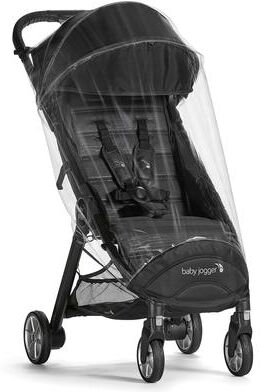
Baby Jogger City Tour 2 Double Stroller, Pitch BlackThe City Tour™ 2 Double folds small for double the adventures. The lightweight design fits through a standard doorway and features an ultra-compact fold, making getting around town with two easier than ever.499,99 $*Shipping: 0,00 $Secure redirect to the provider
-
What is urbanization?
Urbanization is the process of population concentration in cities and towns, leading to the growth of urban areas at the expense of rural areas. It involves the migration of people from rural to urban areas in search of better opportunities, resulting in the expansion of infrastructure, housing, and services in urban areas. Urbanization is often accompanied by industrialization and economic development, leading to changes in social, cultural, and environmental aspects of society. **
-
What is the difference between urbanization level and urbanization rate?
Urbanization level refers to the proportion of a country's population living in urban areas, while urbanization rate refers to the speed at which a country is urbanizing. The urbanization level is a static measure at a specific point in time, while the urbanization rate is a dynamic measure that shows how quickly urbanization is occurring. A country can have a high urbanization level but a low urbanization rate if the growth of urban areas has slowed down. **
-
What does urbanization mean?
Urbanization refers to the process of a population shifting from rural areas to urban areas, leading to the growth and expansion of cities. This process is often accompanied by changes in infrastructure, land use, and social and economic systems. Urbanization is driven by factors such as industrialization, economic opportunities, and population growth, and it can have both positive and negative impacts on society and the environment. **
-
What is the degree of urbanization?
The degree of urbanization refers to the proportion of a country's population living in urban areas compared to rural areas. It is often measured by the percentage of the total population residing in urban areas. A high degree of urbanization indicates a large proportion of the population living in cities, while a low degree of urbanization indicates a smaller proportion living in urban areas. Urbanization is influenced by factors such as industrialization, economic development, and rural-to-urban migration. **
Similar search terms for Urbanization
-
Costway Captain Bucket Seat with Waterproof PVC Leather for Boat Sightseeing-White"Take Your Marine Adventures to the Next Level! Our captain bucket seat measures 23"" x 24"" x 21""(L x W x H) and it can be installed on the boat platform for seating, on the boat swivel, or on a pedestal for captains."232,99 $*Shipping: 0,00 $Secure redirect to the provider
-
Magic School Bus Value Pack (5 Books)The Magic School Bus award winning books from Scholastic have captivated both children and adults with clever storylines, extraordinary field trips and the one of a kind Ms. Frizzle. Written by Joanna Cole and illustrated by Bruce Degen, The Magic...34,97 $*Shipping: 0,00 $Secure redirect to the provider
-
What are the subsequent problems of urbanization?
The subsequent problems of urbanization include increased strain on infrastructure such as transportation, water, and sanitation systems, leading to congestion and pollution. Urbanization also often leads to the loss of natural habitats and green spaces, impacting biodiversity and contributing to climate change. Additionally, rapid urbanization can result in social and economic inequalities, as well as increased crime rates and health issues due to overcrowding and inadequate access to healthcare. Overall, urbanization presents a range of challenges that require careful planning and management to address effectively. **
-
What are the negative consequences of the process of urbanization?
The process of urbanization can lead to several negative consequences. It often results in overcrowding, leading to increased competition for resources such as housing, jobs, and public services. Urbanization can also lead to environmental degradation, as cities often struggle to manage waste and pollution. Additionally, the rapid growth of cities can strain infrastructure and lead to social problems such as crime and inequality. Finally, urbanization can also contribute to the loss of agricultural land and natural habitats, further impacting the environment. **
-
What does the graphic specifically say about the urbanization processes?
The graphic shows that urbanization processes are increasing rapidly, with the global urban population projected to reach 68% by 2050. It also indicates that the majority of this urban growth will occur in Asia and Africa, highlighting the significant urbanization trends in these regions. Additionally, the graphic suggests that urbanization is a global phenomenon, with urban populations expected to rise in both developed and developing countries. **
-
How can one build or make sightseeing attractions?
One can build or make sightseeing attractions by first identifying a unique and interesting feature of the area, such as natural landmarks, historical sites, or cultural experiences. Then, develop a plan to enhance and showcase this feature, which may include building infrastructure like viewing platforms, walking trails, or visitor centers. Additionally, creating informative signage, interactive exhibits, and guided tours can help to educate and engage visitors. Finally, promoting the attraction through marketing and partnerships with local businesses and tourism organizations can help to draw in visitors and make the sightseeing attraction successful. **
* All prices are inclusive of VAT and, if applicable, plus shipping costs. The offer information is based on the details provided by the respective shop and is updated through automated processes. Real-time updates do not occur, so deviations can occur in individual cases. ** Note: Parts of this content were created by AI.